Chilly docks? Here's what to wear to the lake in fall
Pack a few smart layers, block the wind, and keep a dry backup ready so chilly docks don’t cut your fall lake day short.
Sandbar Rodeo Crew · November 10, 2026 · 5 min read
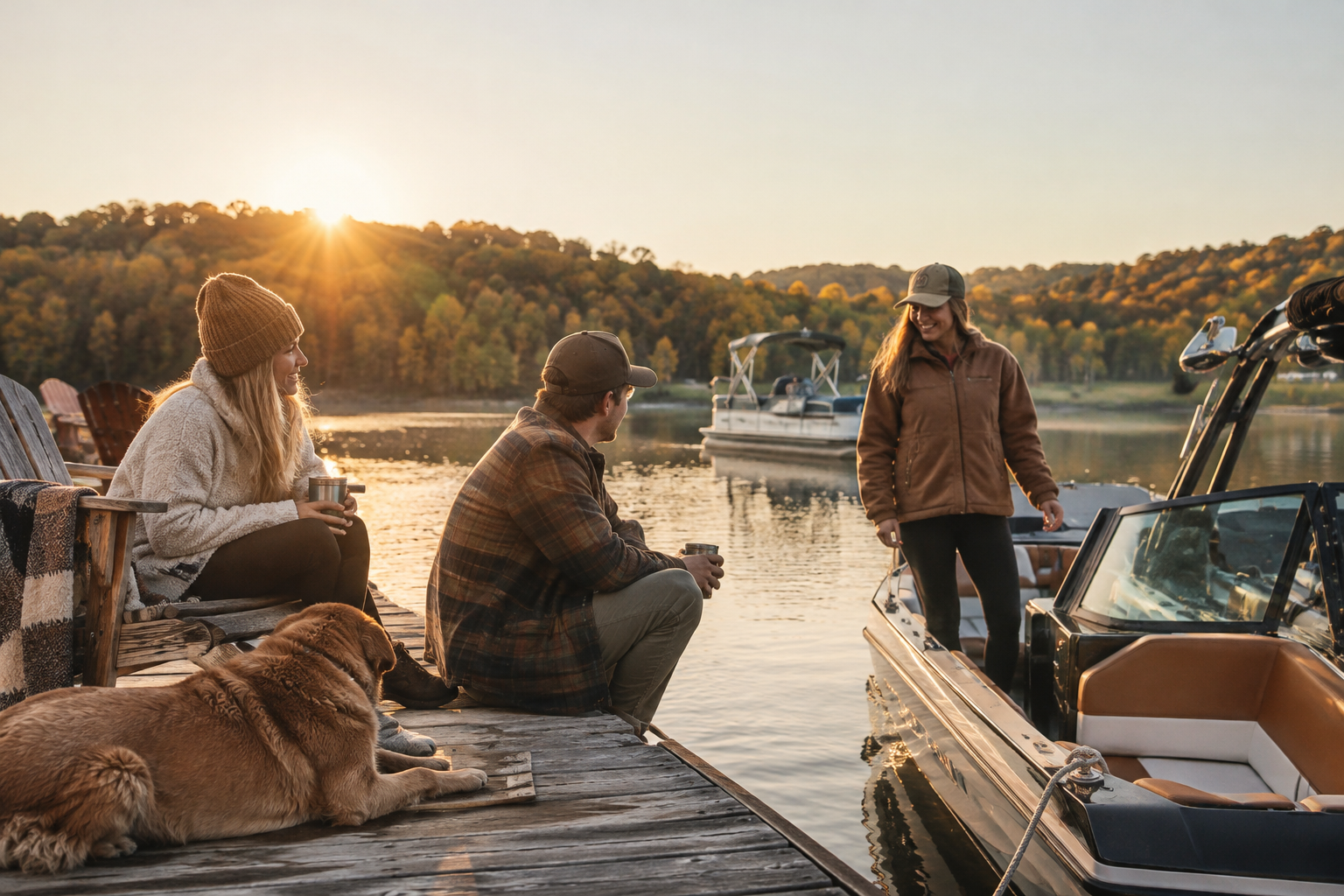
The dock is cold, the afternoon sun feels like a second chance at summer, and the ride back reminds you it definitely isn’t July. Figuring out what to wear to the lake in fall means dressing for all three. You don’t need a whole new closet. You need a few useful layers, something that blocks the wind, and a dry backup that stays dry. Get that right, and there’s no reason a chilly morning has to cost the crew a good day on the water.
What to wear to the lake in fall: start with three layers
The best fall lake outfits aren’t complicated. Start with a comfortable base, add warmth, and finish with a wind-blocking outer layer. Each piece has a job, and you can pull one off without rebuilding the whole outfit.
A base that handles a little activity
For cool conditions, choose a lightweight synthetic or merino top that moves moisture away from your skin. You can warm up fast while loading coolers and carrying gear, then get cold once you’re sitting still. A sweat-soaked shirt doesn’t help.
A favorite tee still belongs in the weekend bag. The Where The Water Gets Rowdy Tee makes sense for a sunny dock hang or a dry change after the boat ride. If cold, damp conditions are likely, make a moisture-managing layer your first choice against your skin.
A middle layer with some warmth
A fleece, wool sweater, or lightweight insulated jacket gives you warmth without making every movement feel like work. Pick something that fits comfortably under your outer layer. A full zipper is handy when the temperature keeps changing its mind.
An outer layer that stops the wind
A wind-resistant shell earns its space fast on a moving boat. If rain or spray is possible, bring a waterproof shell suited to those conditions. Check that you can reach, bend, and handle lines without the shoulders binding. Useful layers for boating should let you move.
Dress for the chilly dock, then adjust for the afternoon
Dress for the actual forecast and planned time outside, not just the afternoon high. That warm number on your phone won’t do much for you at an early launch.
Start with long pants, your base layer, a warm middle layer, and the shell within reach. Quick-drying pants with some stretch are a practical choice. Jeans can work for a dry, shore-side afternoon, but they’re less useful when spray or rain leaves them wet and heavy.
Once the sun settles in, peel off layers before you get sweaty. Keep the removed pieces together in a dry bag or protected compartment instead of scattered across seats.
- Cold launch: Long pants, base layer, fleece, shell, and a warm hat.
- Sunny dock time: Shed the shell or fleece as needed. Keep sun protection in the plan.
- Shady coves or open-water runs: Put the wind layer back on before you get chilled.
A cap like the Rodeo Rope Hat fits the sunny part of the day. Add sunglasses and sunscreen for exposed skin. Cooler air doesn’t cancel sun exposure, especially when you’re spending hours outside.
What to wear on a boat in cold weather goes beyond a jacket
Your hands, feet, and head deserve some attention, too. A warm torso won’t make wet socks enjoyable.
Choose secure footwear with good traction on wet decks. Leave loose slides for warmer, drier plans. Wool or synthetic socks are a useful pick, and a spare pair takes up almost no room. Avoid assuming any shoe will grip every surface; move carefully when docks and decks are slick.
A beanie and a pair of gloves can make a big difference on the ride. Gloves should still let you grip rails and handle equipment safely. Keep loose scarves, dangling cords, and bulky accessories away from moving equipment.
Check your life jacket over the clothes you’ll actually wear. It should fit properly with your fall layers without restricting movement. Follow its fitting instructions, and don’t use extra clothing as a substitute for a properly fitted life jacket.
Cold water is a separate concern from cold air. An ordinary fall outfit won’t protect you from cold-water immersion. Check water temperature, weather, and local guidance before heading out, and choose appropriate equipment for your activity. Sometimes the right call is a shorter trip or a day on shore.
Build a lake weekend packing list around staying dry
The most useful lake weekend packing list includes what you’ll wear and what you’ll wish you had if something gets soaked. Pack one complete dry change in a waterproof bag. A spare sweatshirt isn’t much help if it catches the same spray as the one you’re wearing.
- Base layers: Enough dry tops and underwear for the trip, plus a backup.
- Warmth: A fleece or other insulating layer and a beanie.
- Weather protection: A wind-blocking shell and rain protection appropriate to the forecast.
- Bottoms: Comfortable, quick-drying pants and a dry spare.
- Feet and hands: Secure deck-friendly shoes, extra socks, and practical gloves.
- Sun coverage: Sunglasses, sunscreen, and a cap.
- Dry storage: A waterproof bag for backup clothes and a separate bag for wet gear.
Keep essentials accessible, not buried under everyone’s weekend bags. The goal is to grab a layer while you’re still comfortable, not dig for it after you’ve started shivering.
Save some warmth for the ride home
The return trip is where fall boating clothes really earn their keep. You’ve been outside for hours, the sun may be dropping, and the moving air feels sharper than it did at lunch.
Before getting underway, change out of damp clothing and put your warm layers back on. Secure hats and loose gear. Make sure everyone has what they need while the boat is still stopped.
If cold drinks are part of the afternoon, keep the operator sober and have a safe ride home arranged. Alcohol won’t warm you up safely. A warm nonalcoholic drink and dry clothes are better company when the temperature drops.
Fall lake days still have plenty going for them. Pack for the cold parts, enjoy the sunny stretch, and leave room in the bag for that extra pair of socks. Check on your crew before the ride back. Everybody should finish the day talking about the good time, not how long they spent freezing.
Gear up for the next sandbar day
Tees, hats, koozies and the flag — built for the water.
Shop the Drop